
Handing your child to someone else’s care is a big leap of trust.
Even when you love the idea of a warm, playful classroom, the question that sits in the back of your mind is simple: “Will my child be safe here?”
A strong day care center does not treat safety like a checklist it completes once and forgets. It becomes part of the daily rhythm, from how teachers greet children at the door, to how rooms are cleaned, to how children learn routines that keep them healthy.
If you’re searching in Northridge, you deserve clear answers about what good health and safety standards actually look like when you enter the building
Below is a parent-friendly guide to the standards that matter most, along with how we at Petite School House integrate them into everyday care and early learning.
Clean Spaces That Stay Clean Are a Must
A truly safe environment is not just “clean at pickup.” It stays clean through snack time, messy art, outdoor play, and the constant flow of little hands touching everything.
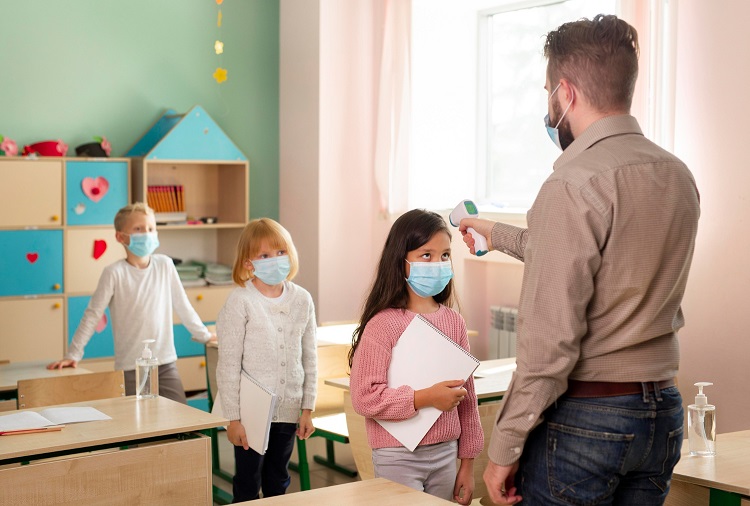
In high-quality preschools, cleaning is both planned and responsive. That means frequent wipe-downs of high-touch surfaces, regular toy sanitization, careful restroom routines, and a clear plan for what to do when someone spills, sneezes, or has an accident.
You should also expect strong handwashing habits built into transitions, such as upon arrival, before eating, after using the bathroom, and after outdoor time. The best classrooms teach this in a calm, positive way so children actually follow it.
At Petite School House, the goal is to keep the environment comfortable and healthy without making it feel clinical. Kids still get to explore, build, paint, and play, while we maintain consistent hygiene routines to keep the classroom welcoming and safe for everyone.
Supervision, Secure Access & Smart Routines
Health and safety are also about preventing the “what if” moments. Who is watching your child while you’re not there? How are transitions handled? Can anyone walk in from the street?
A dependable day care center Northridge families rely on should have clear supervision practices, especially during the busiest parts of the day: drop-off, pickup, outdoor time, bathroom breaks, and transitions between activities.
Look for a place that feels calm even when it is lively: Teachers should know where every child is, and children should feel comfortable asking for help. You also want secure entry practices that reduce random traffic and make it clear who is allowed to pick up.
At Petite School House, safety is supported by a structure that still feels warm. Children learn routines that help them feel confident, such as where to place their belongings, how to move from one activity to the next, and how to communicate their needs. Our routines prevent accidents and create a steady day that helps your children thrive.
Health Standards Go Further Than Just Cleaning
Parents often think safety is only about cleanliness and supervision, but health standards also include daily well-being: nutrition support, rest, emotional safety, and the way teachers respond when a child is not feeling their best.
Children’s Individual and Group Wellbeing
A strong early learning center understands that children learn best when they feel secure in their bodies and emotions. That includes supportive mealtimes, hydration reminders, age-appropriate rest, and teachers who notice changes quickly, like unusual tiredness, mood shifts, or discomfort.
This matters even more in group settings, where young children are still learning to share space, manage feelings, and build friendships. Emotional safety is part of health, too. A classroom should feel kind, predictable, and respectful. When children feel safe socially, they are more willing to try new things, communicate, and engage in learning.
Using Standards to Compare Day Care Centers
This is one reason many families compare multiple early learning centers in Northridge before making a choice. You are not only picking a place to “watch” your child. You are choosing the environment that shapes their confidence, language, curiosity, and relationships during a key stage of development.
Petite School House blends a nurturing approach with meaningful learning, supporting whole-child growth through hands-on exploration and guided activities. For parents looking at the best preschools in Northridge, that balance often becomes the deciding factor: a place that feels safe, while also helping children grow in real, visible ways.
Key Takeaways for Parents Choosing Child Care in Northridge
When you tour a school or talk with the staff, it helps to know what to listen for. Here is a summary of the standards that we discussed today:

- A safe day care center maintains consistent cleaning routines throughout the day, not just at opening and closing.
- Strong supervision shows up in calm transitions, organized rooms, and teachers who clearly know each child’s needs.
- Secure access and clear pickup procedures that protect your children and give you confidence.
- Health standards should support the whole child, including hygiene, nutrition habits, rest, and emotional safety.
- The right environment should feel warm and human. Your children should look and feel comfortable, engaged, and well cared for.
If you want a place that combines these basics with an inspiring program, Petite School House is worth a visit. It is the kind of setting where safety is taken seriously, but childhood still feels like childhood.
Ready to Tour Petite School House in Northridge?
If you’re exploring preschools and child care options and want a school that prioritizes safety, learning, and a genuinely nurturing environment, Petite School House would love to meet your family.
Reach out and schedule a visit, ask questions, and see our classrooms in person. Your child’s next happy, confident step can start with one tour.